
Over the years, much has been made of the plans for Nassau Point known as Peconic Park, but few know the whole story. I have to confess to being among those who don’t know everything about it, but I know more than most and would like to share what I know.
The plan may have started with the affiliation of William McNish, Ira Tuthill, John Scott, and James Wilson. In 1860, Jane Hutcheon purchased the New Suffolk Hotel from Ira Tuthill, who was the founder of New Suffolk and builder of the large hotel that could accommodate up to 100 guests, and set up her son, William, to run it. This is probably why Tuthill trusted William McNish. William and James Scott acted as agents for James Wilson in the 1872 sale of Robins Island from Ira Tuthill to Wilson, who was described as an aloof, English aristocrat. Wilson was also an unscrupulous man; a trail of bankruptcies and foreclosures preceded him. With a sales agreement requiring a $5,000 deposit and an additional $20,000, he immediately took possession of Robins Island for the next three years, never paying the additional $20,000. This held up the actual 1876 sale of Robins Island to the Robins Island Club. William was a good businessman but not a good judge of character. The McNish Family continued to be involved with Wilson. The only proof that I have that William McNish was involved in the plans for Peconic Park is that copies of the book, the reprint, and the original typed manuscript were passed down in the McNish family, and William’s other business dealings with Wilson.
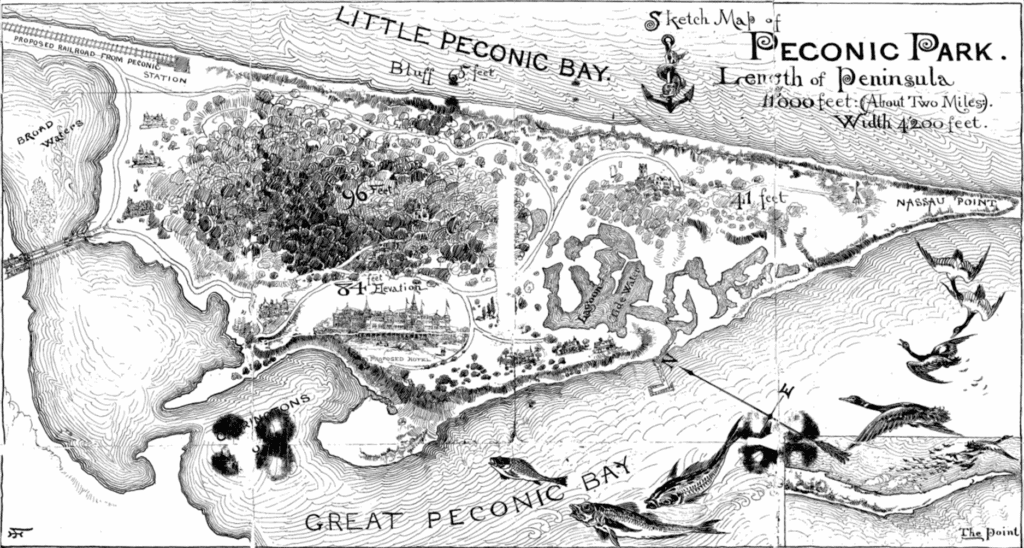
At one point, Wilson owned Nassau Point in its entirety. (which at the time was called Little Hog Neck or Mattawauk)
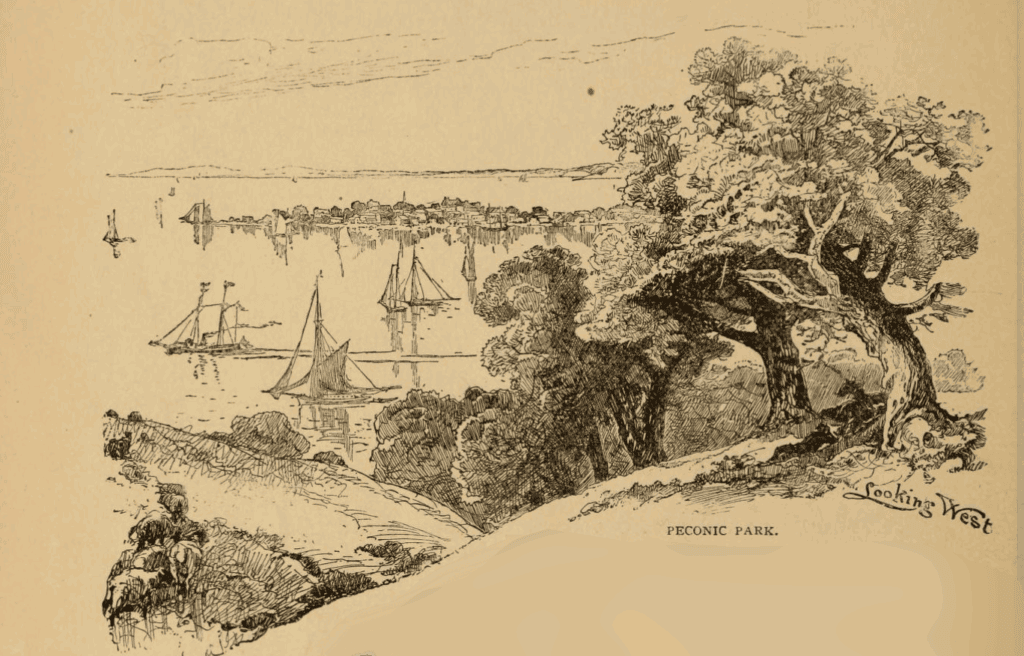
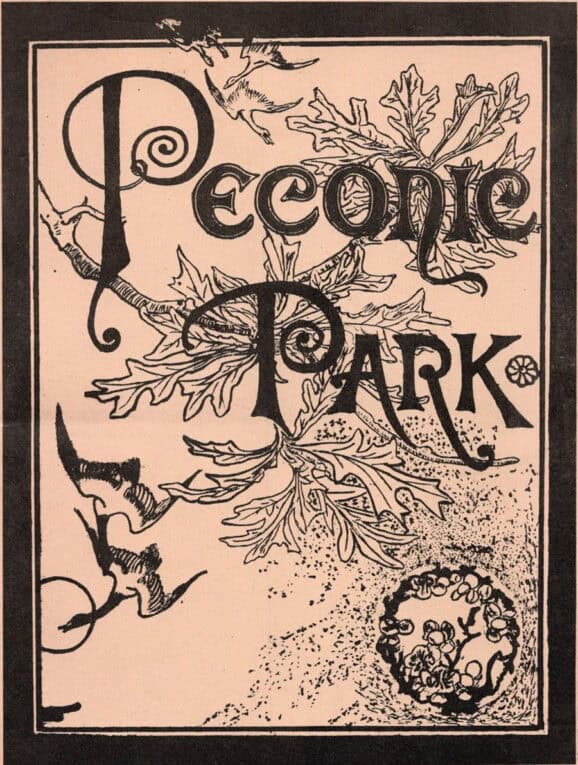
The book “Peconic Park” was Wilson speculating on a grandiose scheme to convert Nassau Point into an east-end Coney Island for the rich. He planned to make a fortune, and in 1883, he published his 40-page prospectus, calling it Peconic Park (a more appealing name than Little Hog Neck or Mattawauk).
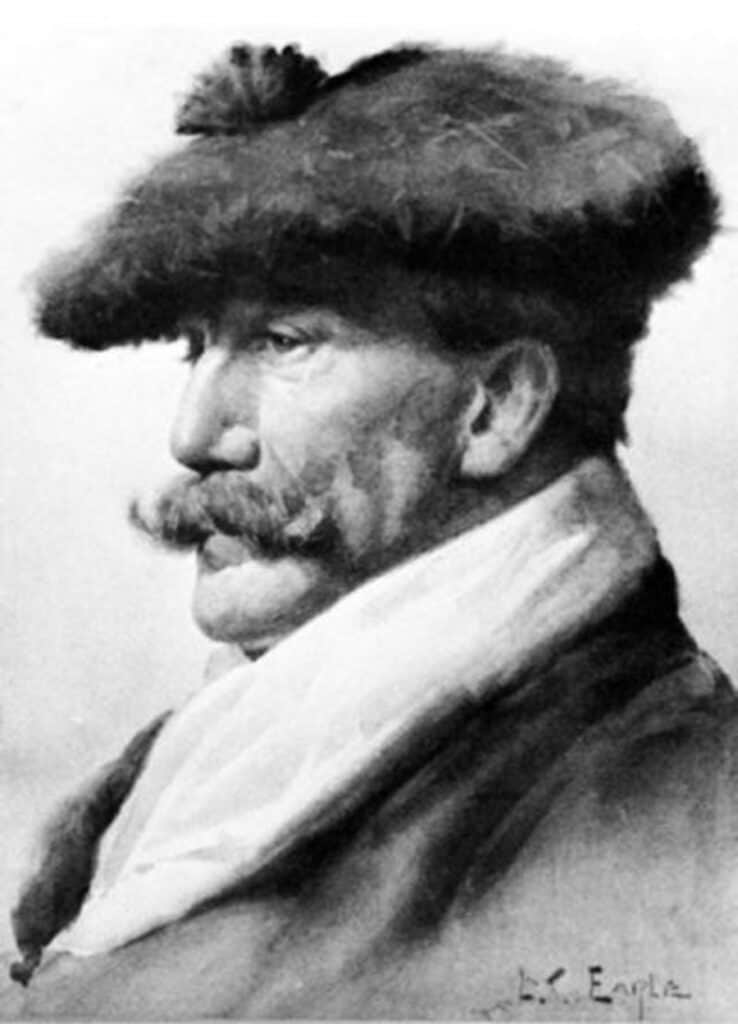
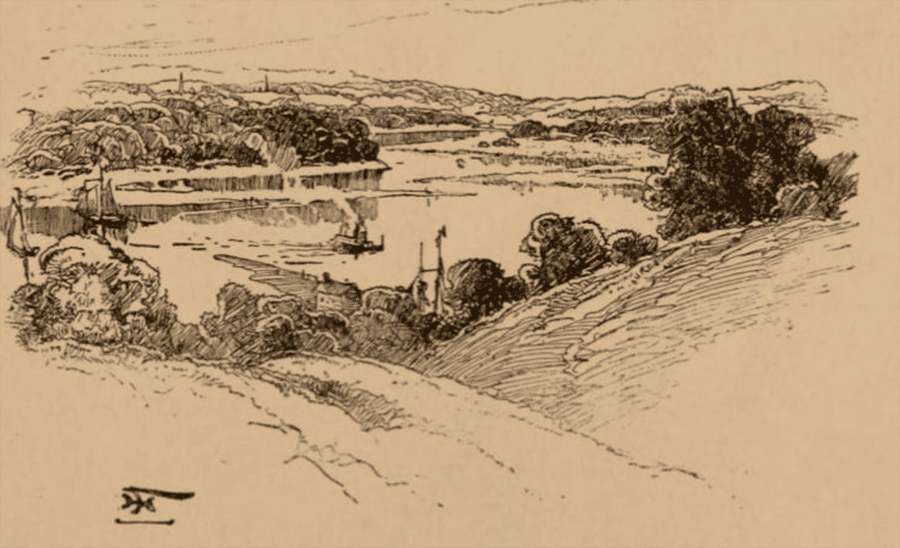
He had it illustrated by a famous illustrator of the day, Harry Fenn. The most prominent landscape illustrator in the United States. He rose to fame by illustrating the popular “Picturesque book series which included Picturesque America; or, The Land We Live In edited by William Cullen Bryant.
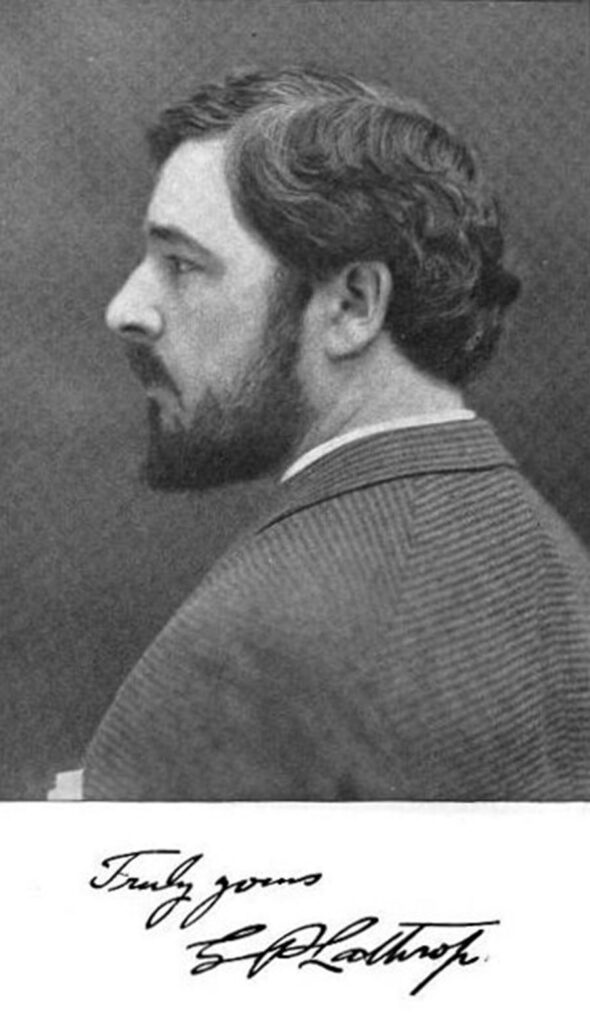
It was written by an equally famous writer of the day, G. P. Lathrop, in an extremely florid and overly descriptive Victorian style. (Lathrop was the editor of Atlantic Monthly and Boston Courier, as well as publishing many poetry books. He was responsible for advancing copyright laws for writers, which may explain why the book was copyrighted.)
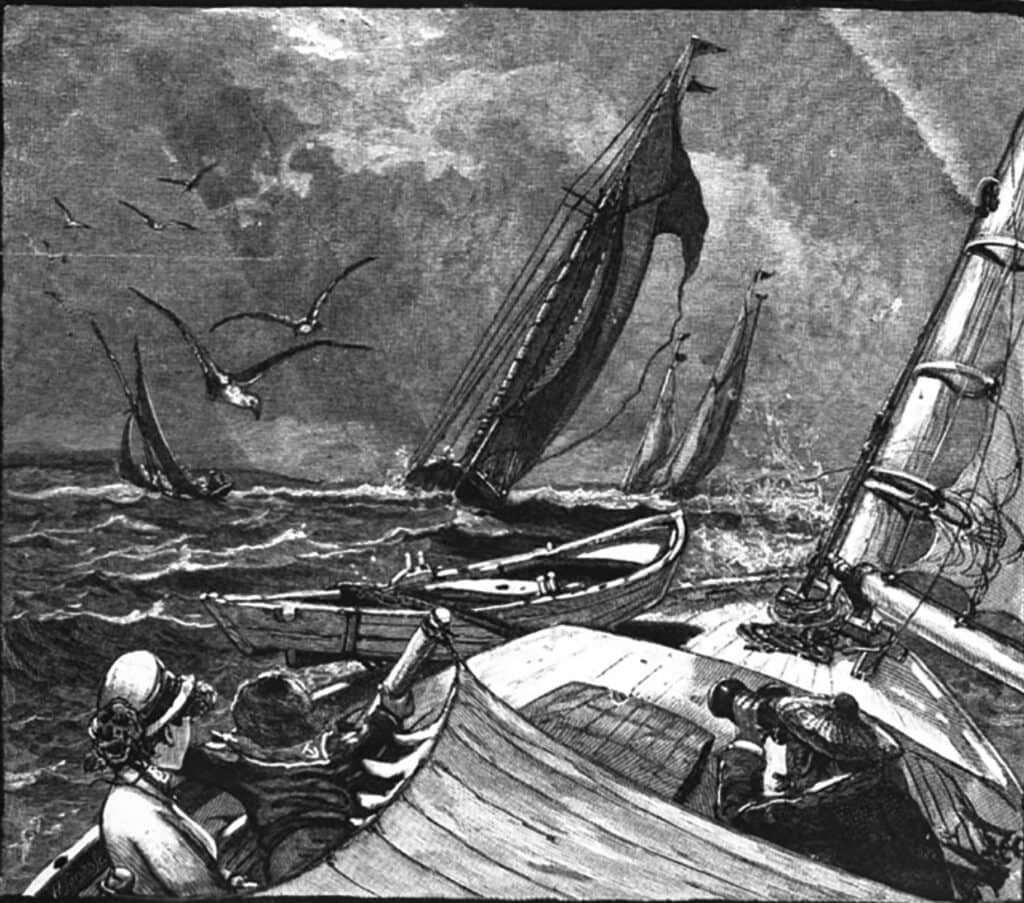
The book describes every possible feature of the area, its approaches, and surroundings in a lavish manner meant to make it sound irresistible. It includes a romanticized version of the area’s history and an exciting sail on the sloop yacht called The Eureka, which also allowed him to describe the coastline in detail. Much of what he wrote about it is the same reason people come here today: the climate, the surrounding beaches and water, swimming, sailing, boating, fishing, hunting, and easy accessibility (then by train and steamboat) to the city. He even quotes famous authors like Coleridge, Whitman, and Cooper.
Here is an example, taken from the book of the flowery writing style: ”A domain of wooded upland and verdant fields, graceful slopes and bowery hollows, crowned with summer sea, where the best facilities exist for healthful exercise and diversion on land or water; where the tired refugee from the metropolis may recline at ease, listening to the song – sparrow the robin, the red-winged blackbird, the king-fisher and the screaming gull, while a cool wind from the bay rustles the tossing bough above his head. What could be more refreshing than a sojourn in such a place as this?”
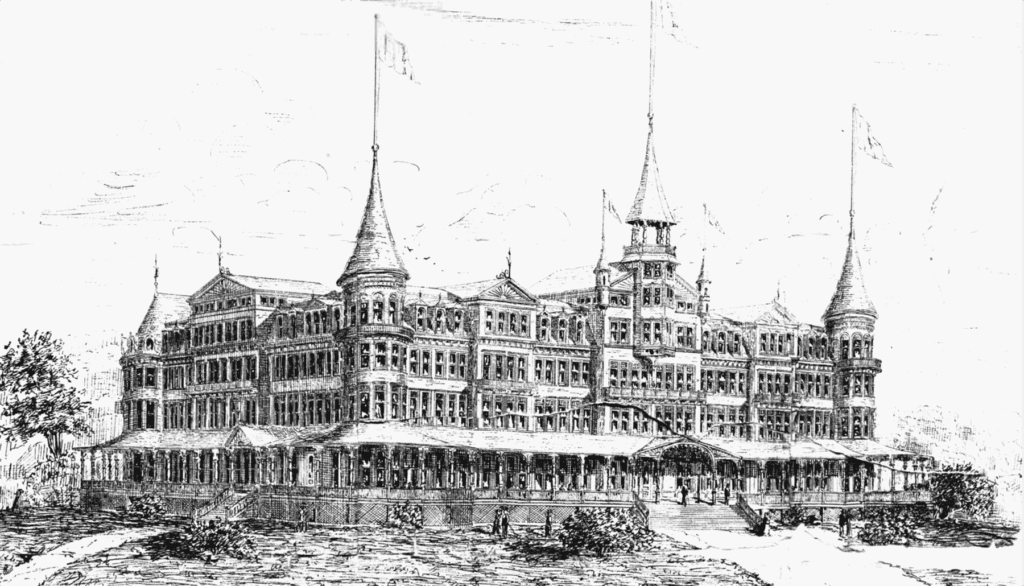
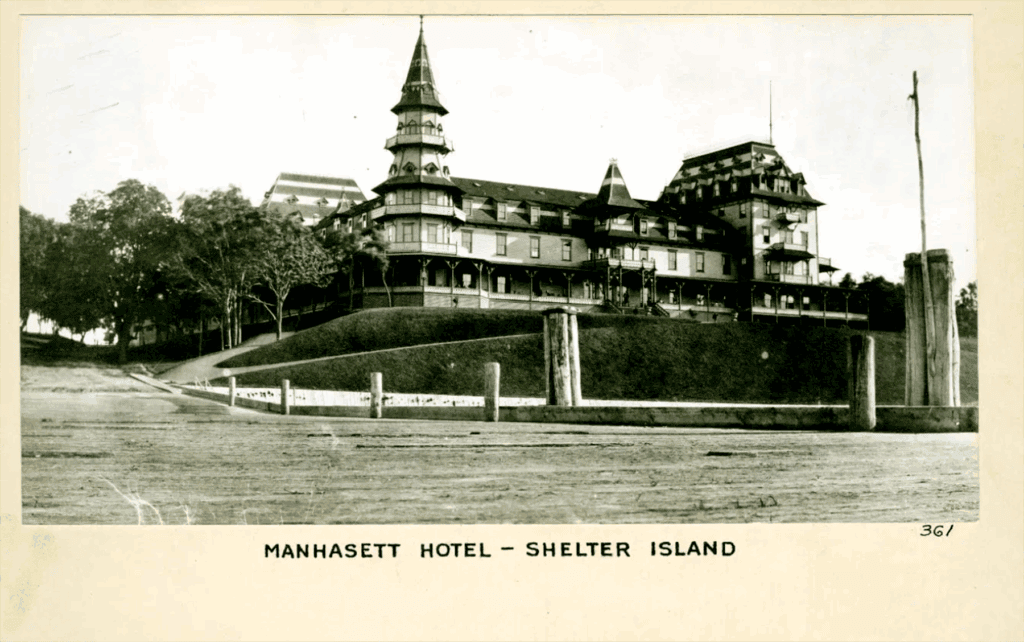
The project included a mammoth hotel with peaks and turrets which was to be situated “On the broad and roomy plateau lifted to a height of close up on ninety feet from which, even standing upon the sod, the visitor can overlook the whole length of Peconic Bay, both west and east, up to Riverhead or down to Shelter Island and even to the roofs and church spires of Sag Harbor.” (which is to say on the high land above Horseshoe Cove and Meadow Beach). People generally gasp when they see Fenn’s illustration of the hotel; to us, it looks like a high Victorian’s fairyland, a fantasy fever dream. But when you compare it to hotels that were on the North Fork during that time period, like the Manhasset on Shelter Island, it’s only the next logical step, a few more turrets, a little taller, and a little bigger.
The plans to get the guests from the city to the hotel included (almost) door-to-door service with a proposed extension of the Long Island Railroad bringing you from a railroad spur, south from Peconic, and across the causeway at Broadwaters. These plans were endorsed by the Long Island Railroad. The engineering complexities of crossing a stretch of land as delicate as the causeway boggle the mind, and had they done so, it probably would have been washed away in the first hurricane that passed through. Plans for a dock for steamboats and a vehicular bridge were also included.
It’s not known precisely why they didn’t follow through on the plan. But Wilson’s reputation in foreclosures and bankruptcies likely prevented him from procuring funding. During its promotion, the book was sent around to all of the publications in the area and throughout New York City. Many papers and promotional pamphlets assumed the plan was executed, and for over 30 years after its publication, they would occasionally mistakenly refer to Nassau Point as “Peconic Park” In pamphlets and published articles.
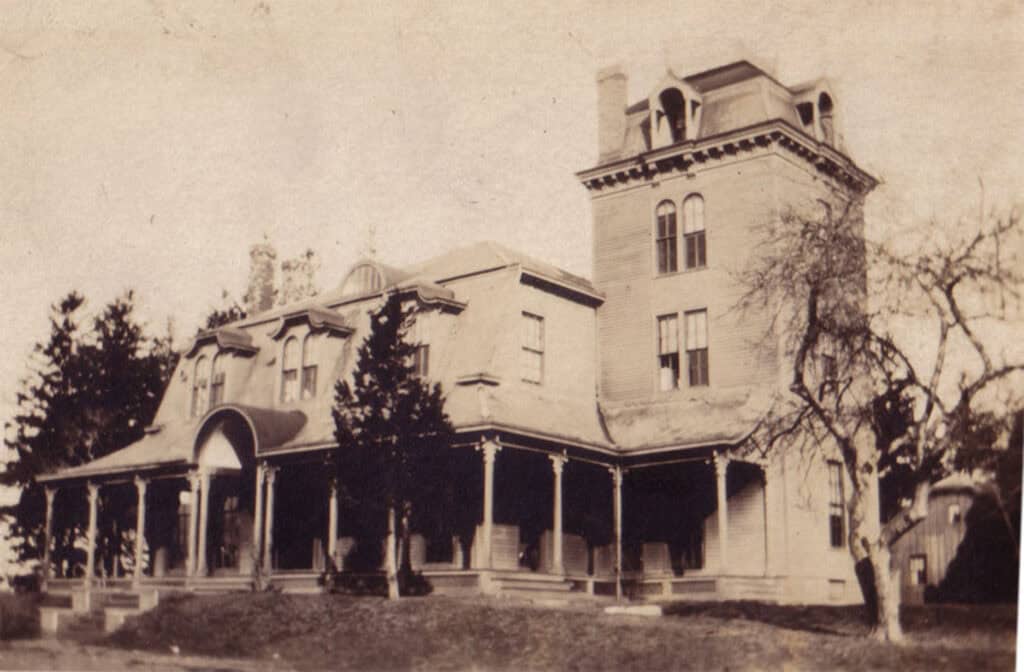
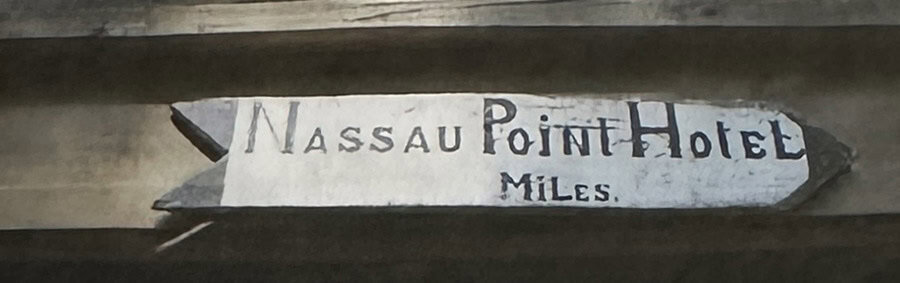
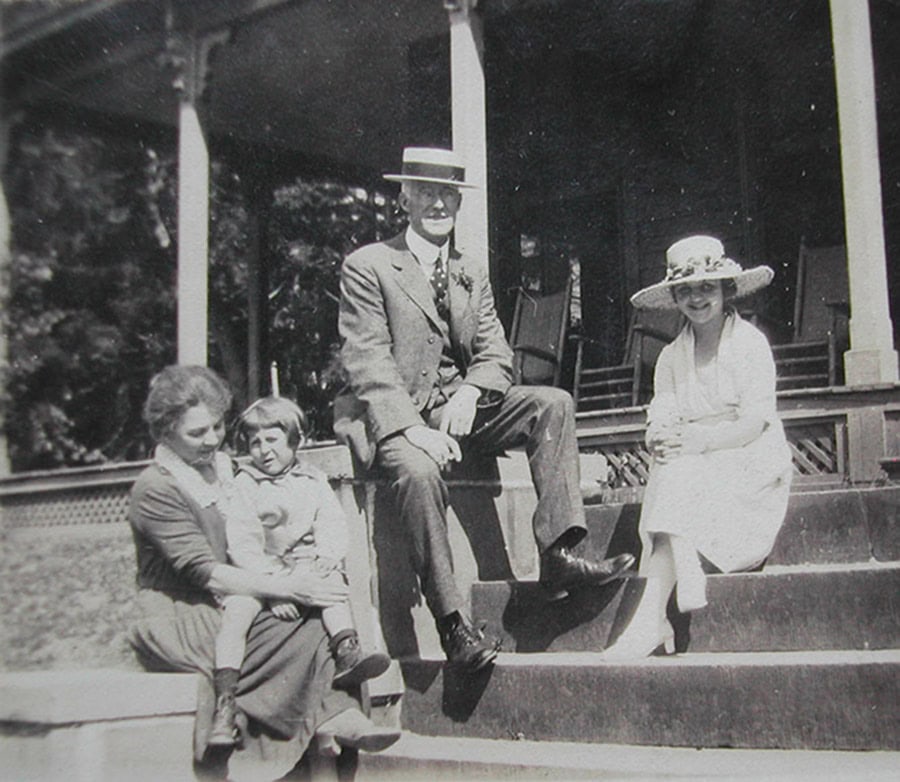
It’s worth noting that Wilson, while he owned Nassau Point since 1872, expanded and improved an incredibly lavish mansion there, which previously belonged to the Burr family. It would become another property he would lose to foreclosure. This mansion would go on to taken over by the Nassau Point Property Owners Association and become their Clubhouse and used as a hotel. In the early 1920s, the club was run by Andrew and Isabelle McNish, who also served as the club’s chefs. In June 1928 the Clubhouse/Hotel burned to the ground.
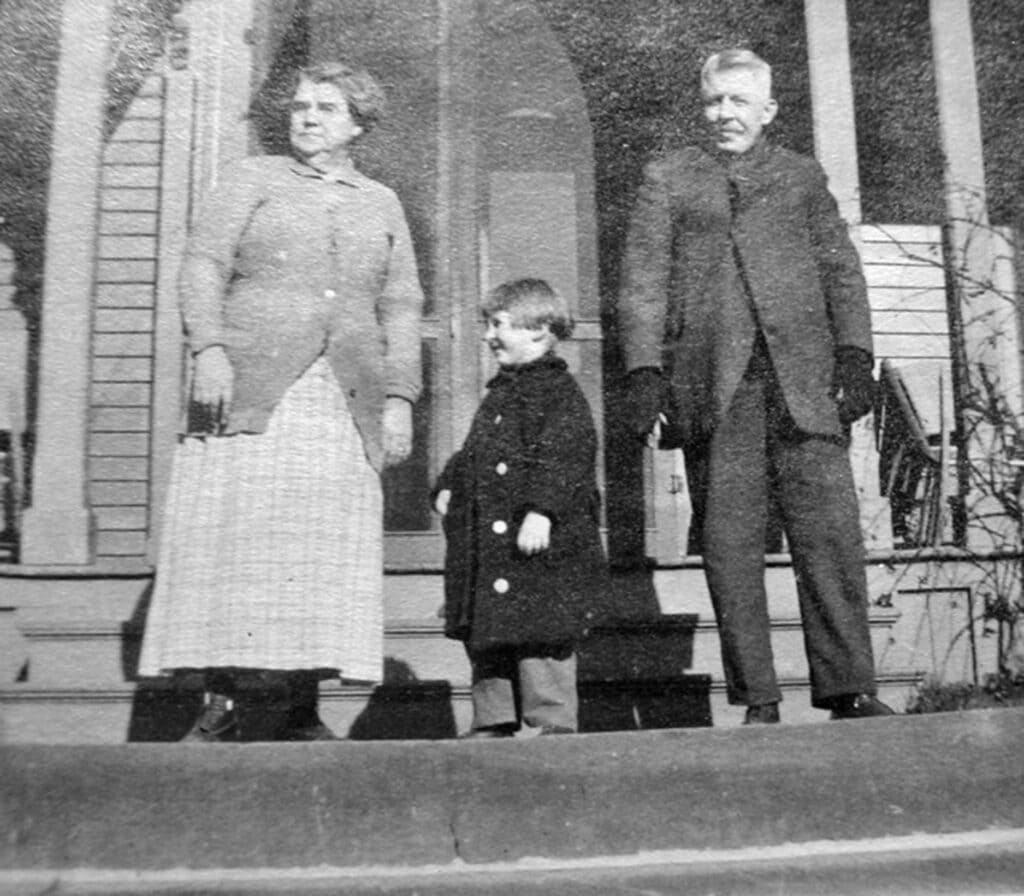
In 1976, the Nassau Point Property Owners’ Association reprinted the book from a copy belonging to Rosiland Case Newell. A limited edition of 500 numbered copies was produced, accompanied by an introduction and epilogue.
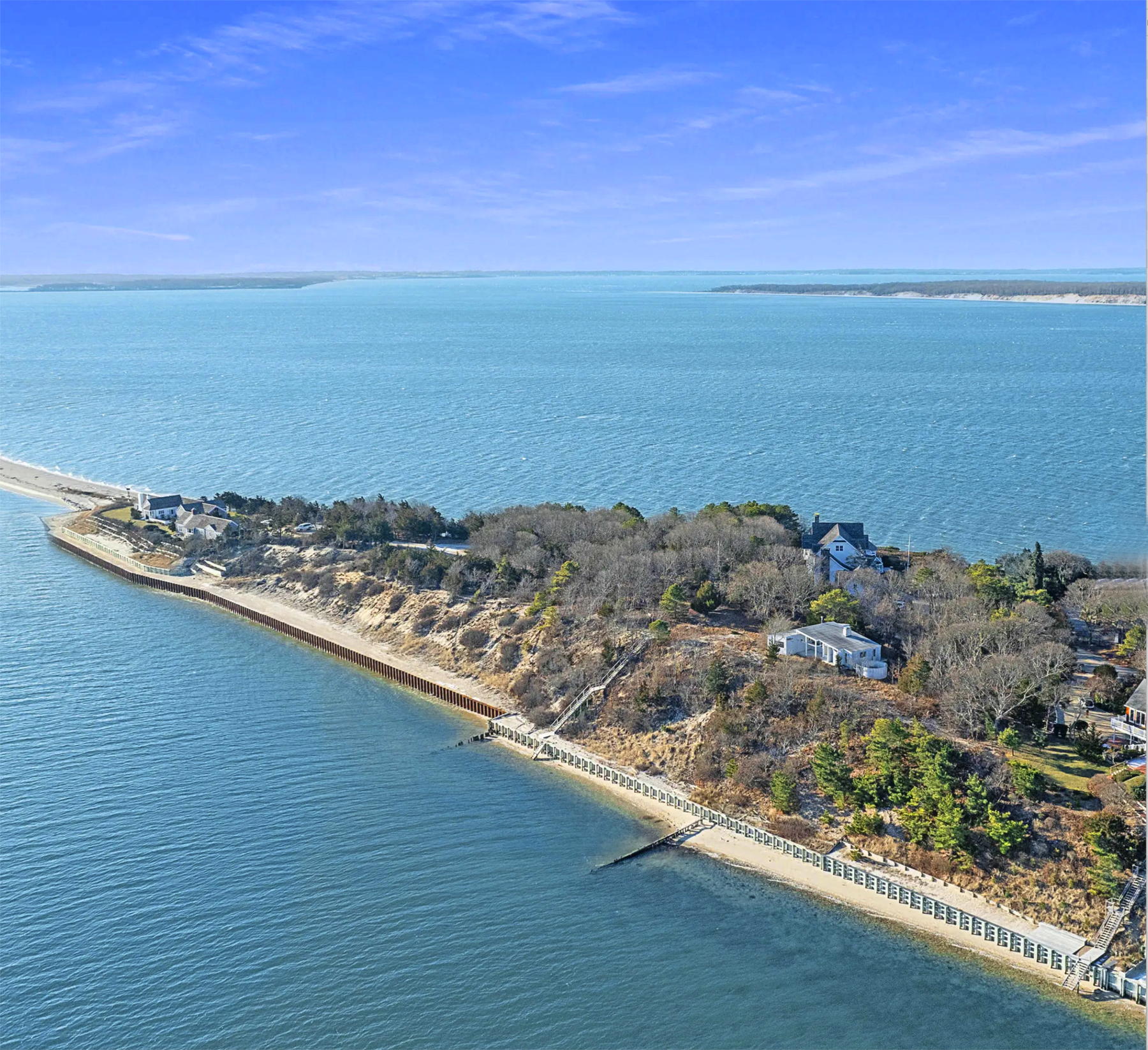
In the early 20th century, Nassau Point changed hands multiple times, passing through various groups of businessmen. (Some of these men eventually decided on the name Nassau Point, for the same reason Peconic Park was preferred over Hogs Neck, to make it more attractive to potential buyers.) By 1918, the financial back and forth was settled, resulting in the newly formed Nassau Point Club Properties on December 25, 1918. Improvements began immediately, and S. Edgar Tuthill and McNish Bros. of Cutchogue built the houses (or bungalows as they were referred to in a newspaper article). Daniel R. Young of Riverhead did the civil engineering, and Philip H. Horton of Peconic was the road builder. And this became the framework of the Nassau Point we know today.
Suffolk Times12/2/76 “Book relates Nassau Point’s Past Glories.” article by Warren Hall
Society for Preservation of Long Island Antiquities report NP2, 1986
1976 reprint of Peconic Park by the Nassau Point Property Owner’s Association
A Brief History of Nassau Point, Katherine Newell Mayne.