
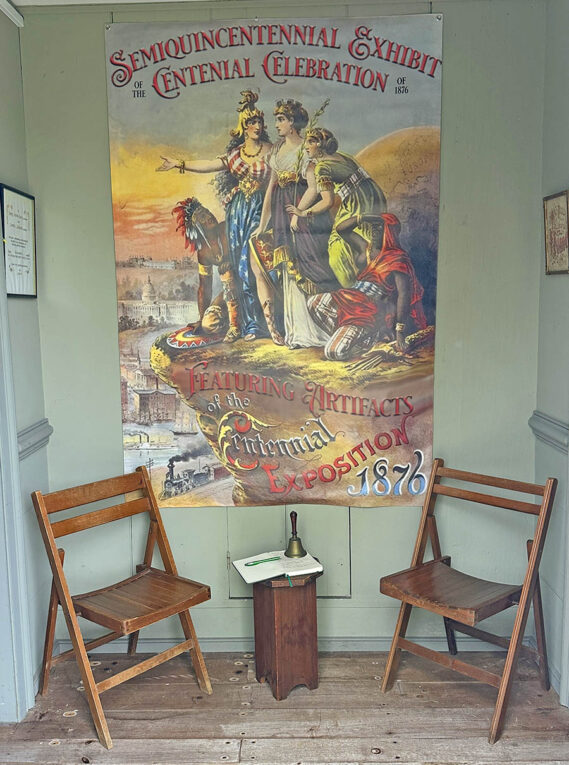
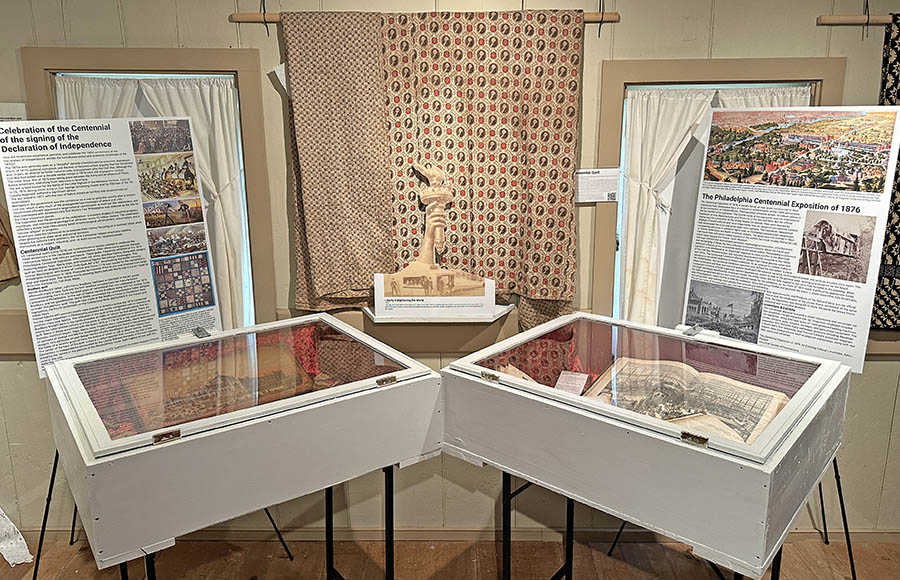
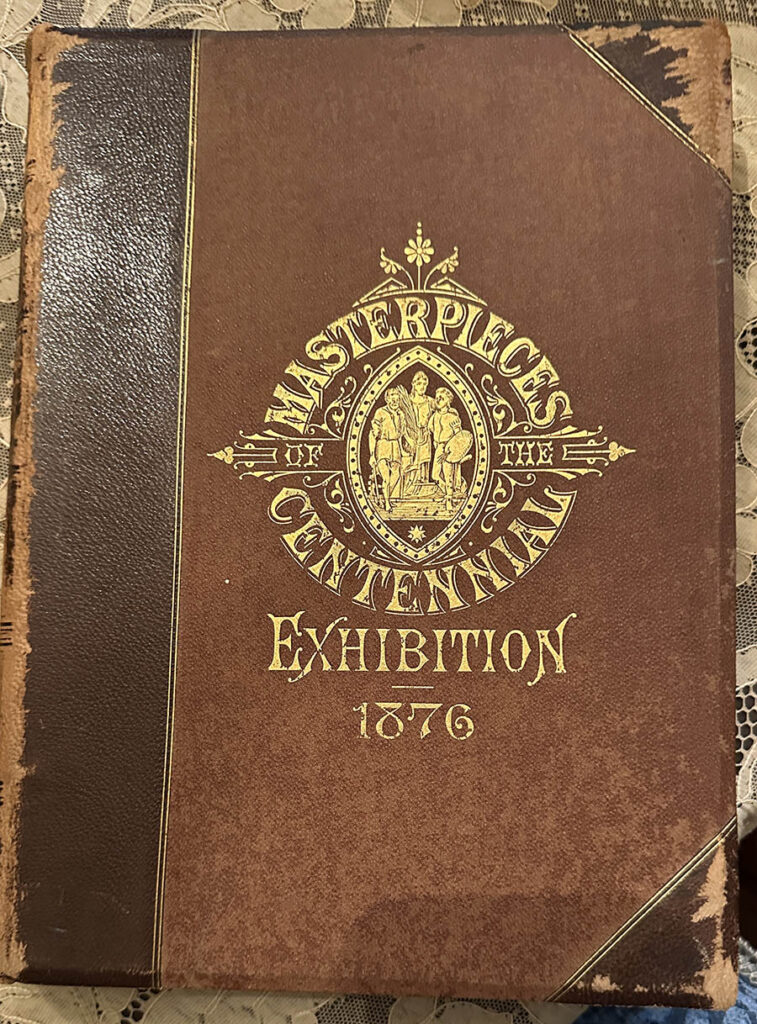
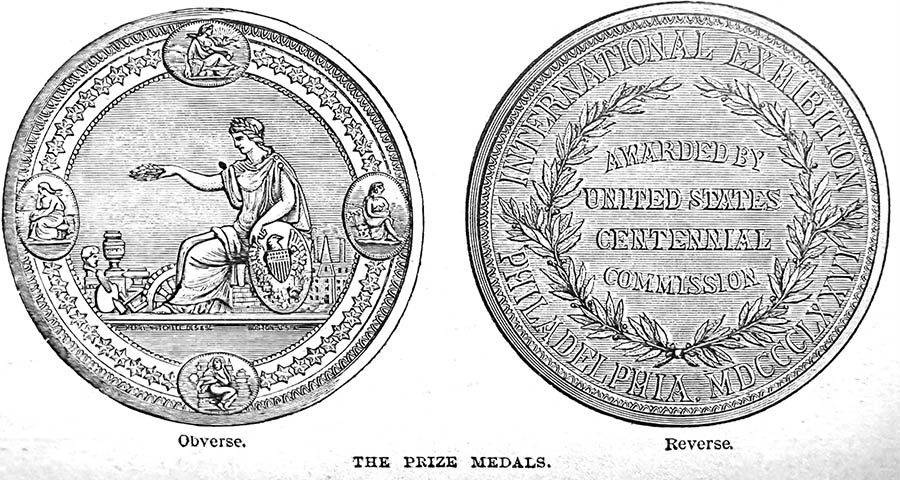
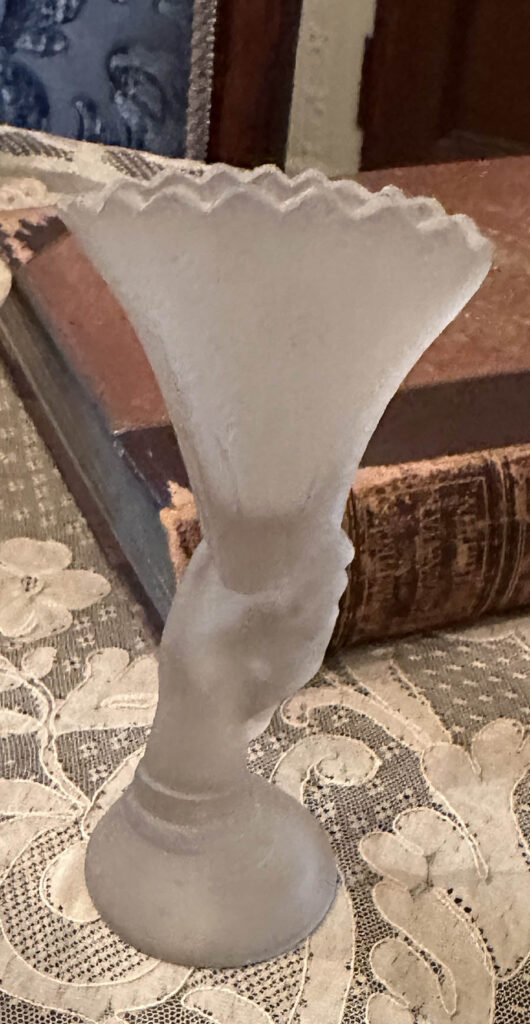
Although our season is over and the exhibit has been taken down, we thought it was interesting enough to live on in blog form. With the creation of this exhibit, we wanted to examine how Americans experienced, perceived, and celebrated the 100th anniversary of the Declaration of Independence amidst the tumultuous social and economic landscape of the 1870s. The council’s Centennial quilt (described below) was the original inspiration for our exhibit. A local collector loaned their extensive collection of objects from the Philadelphia Exhibition of 1876. This enabled us to create our 250th celebration Centennial Exhibit.
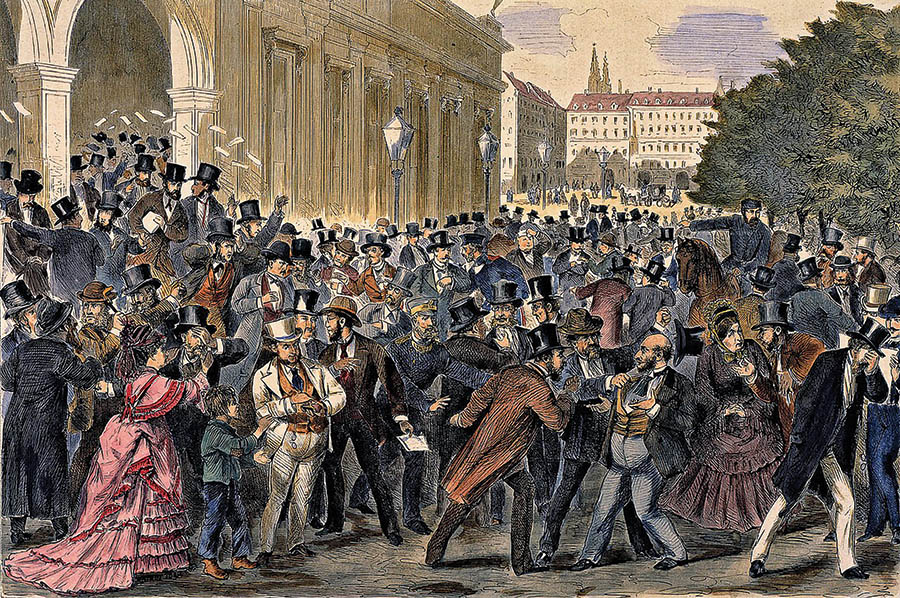
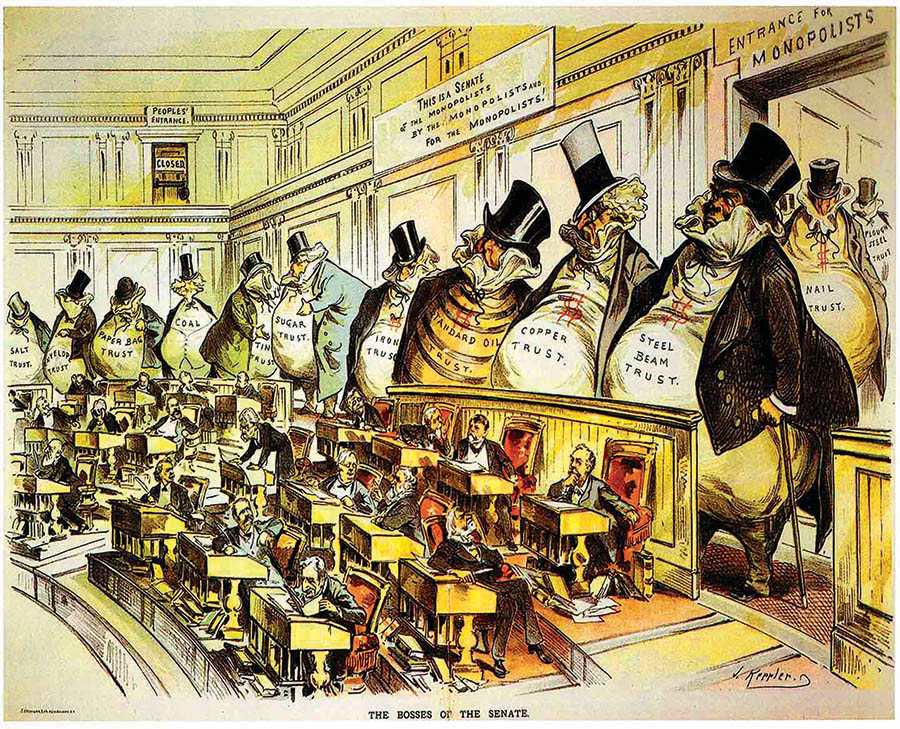
The 1870s were generally seen as a “dreadful” decade characterized by economic depression (Panic of 1873), political corruption, and the end of Reconstruction, suggesting that the Centennial was, in part, an attempt to foster national unity and optimism after the Civil War. Although the Civil War had ended over a decade earlier, troops in 1876 were still engaged in combat.
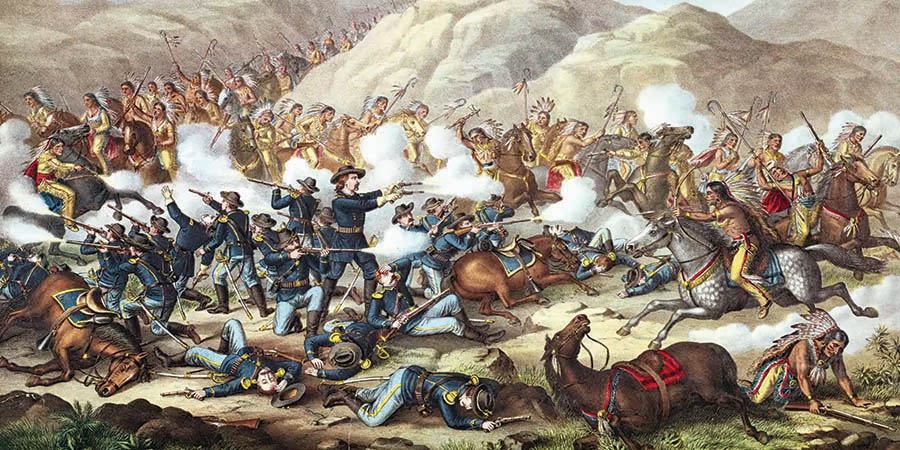
The Great Sioux War of 1876 took place between the Army and an alliance of Plains Native Americans, stretching from Nebraska to Montana. The war is best known for the Battle of the Little Bighorn in the Montana Territory, June 25 to 26, 1876, during which Army Lt. Col. George Armstrong Custer and his 700 men of the 7th Cavalry Regiment suffered a significant defeat. The war ended in 1877, with the loss of Native American territory and establishment of reservations.
Members of the government saw the centennial as a way to unite the country after a divisive Civil War, which is why much of the propaganda carried messages of peace and unity.
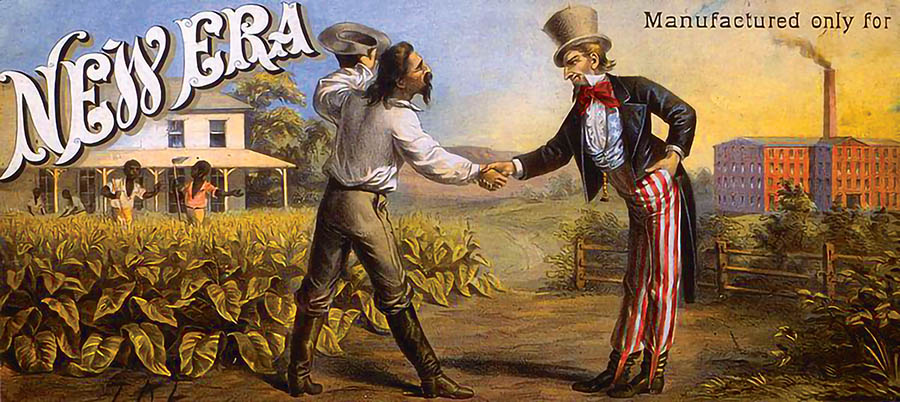
Government officials appointed a large national commission to work out the celebrations, and they overlapped with America’s very first World’s Fair. Philadelphia was selected as the site for the major exposition pieces. Americans used the Centennial to re-evaluate their history, focusing on a reunited nation while often glossing over deep racial and social divisions.
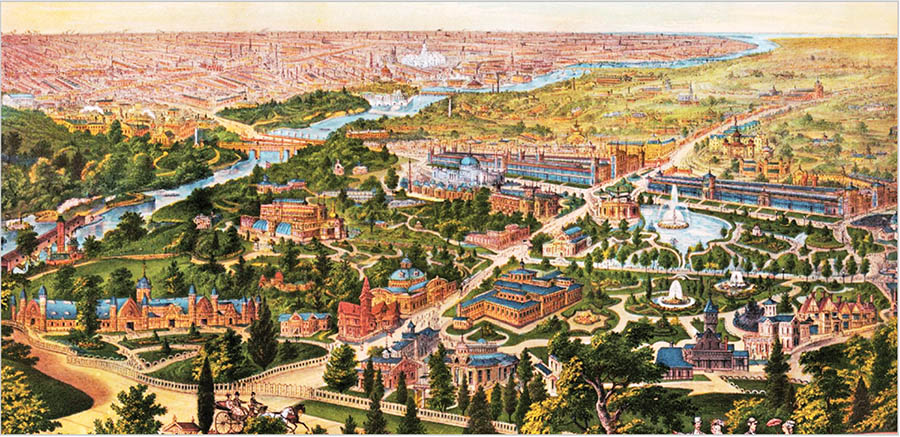
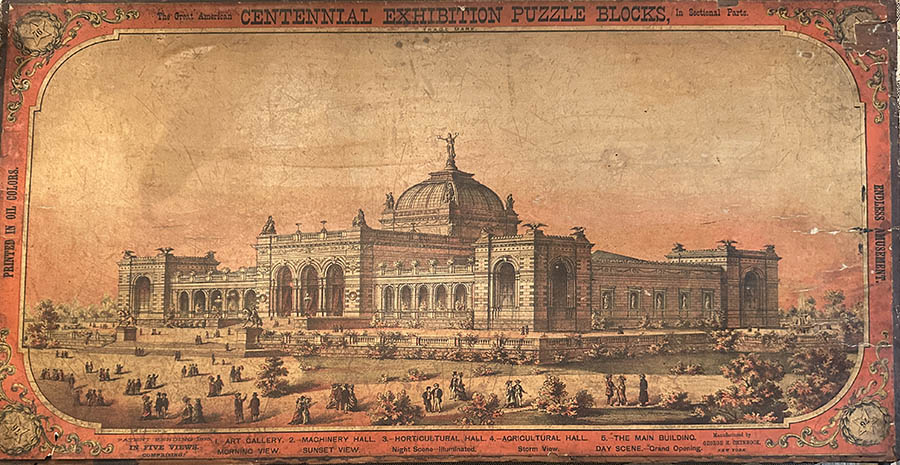
The Exposition was the pinnacle of the pinnacle—a massive display of industrial progress, machinery, and international prestige that attracted nearly 10 million visitors. The celebration reflected a deeply held 19th-century belief in technological advancement, industrialism, and a “secular religion” of progress. The Fair was constructed in West Fairmount Park, and showcased the U.S.’s industrial achievements. The Exposition attracted almost 10 million visitors in the six months of its operation. The exposition’s formal name was the International Exhibition of Arts, Manufactures, and Products of the Soil and Mine, but its official theme was the celebration of the United States Centennial. Visitors were dazzled by displays of world cultures and, most importantly from an American perspective, exhibits that showcased the U.S.’s industrial might and ingenuity. The Exposition represented incremental advances in women’s rights even as its displays perpetuated stereotypes of African Americans and North American Indians. Today, the landscape has evolved in West Fairmount Park with some visible imprints of the World’s Fair, most notably Memorial Hall, which today houses the Please Touch Museum.
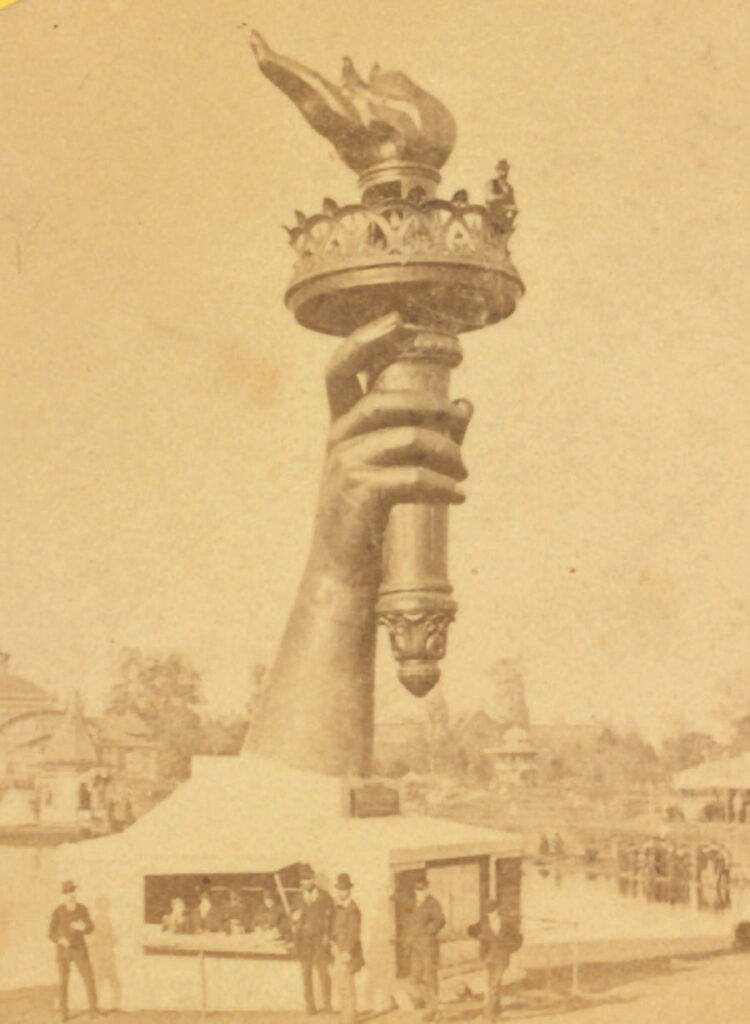
Although world’s fairs encouraged patriotism, technological innovation, entertainment, and the exchange of ideas, the fairs reflected profound concerns about the future and deflected criticism of the established political and social orders. Philadelphia’s Centennial Exhibition was developed as an organized response to class conflict in the aftermath of the Civil War, Reconstruction, and industrial depressions that occurred in the 1860s and 1870s. The Centennial Exhibition offered an escape from these gloomy vistas and served as a calculated response to these conditions. As an attempt to restore vitality in the United States, the Centennial Exhibition operated as a “school for the nation,” a place where Americans and their international guests could learn the national narrative, technological power, and unify as a nation once again. The Centennial Exhibition offered organized, curated experiences, meant to look to the glorious past, serving as a blueprint for the future.
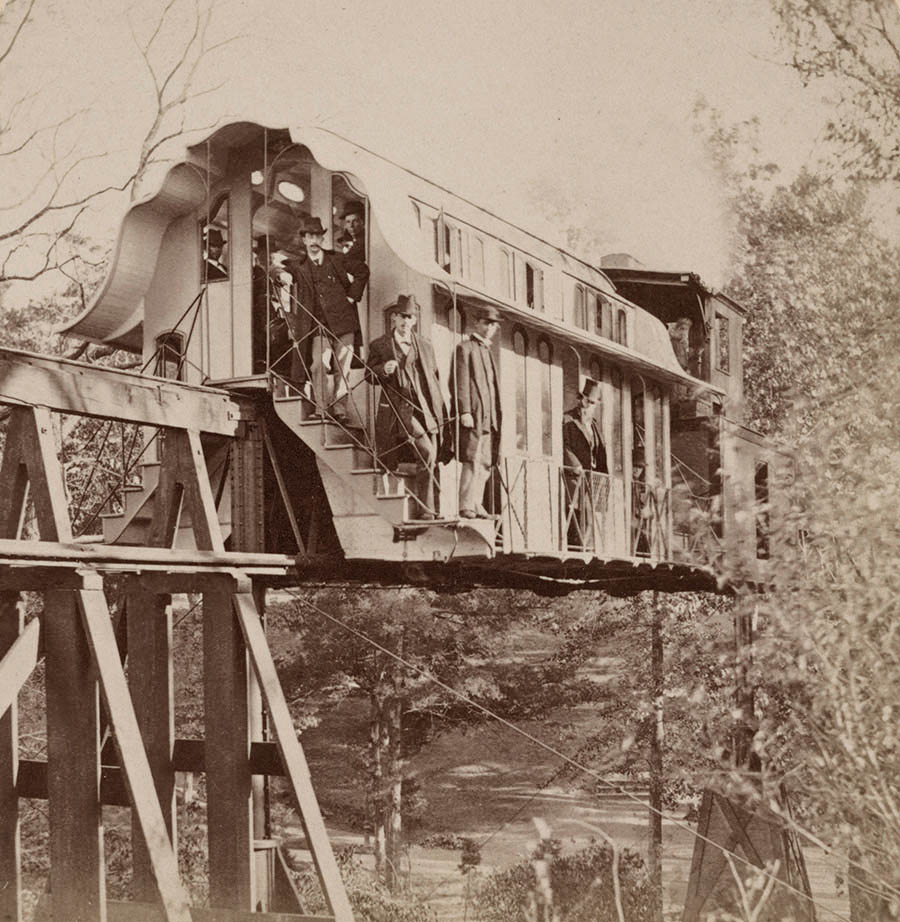
Seemingly beneficial for American morale, the entire nation did not fully support it, nor were they included in the planning. When the federal government did not and could not provide money for the exhibition, as the Panic of 1873 made it difficult to appropriate funds, elite Philadelphians raised money to hold the exhibition. Since this group funded and planned the event, it showcased other elite Americans, excluding lower- and working-class people from attending or exhibiting.
Despite the nation’s many problems, the 1876 Centennial helped Americans redefine themselves as a modern, industrial, and—at least outwardly—reunited people.
_______________________________________________________
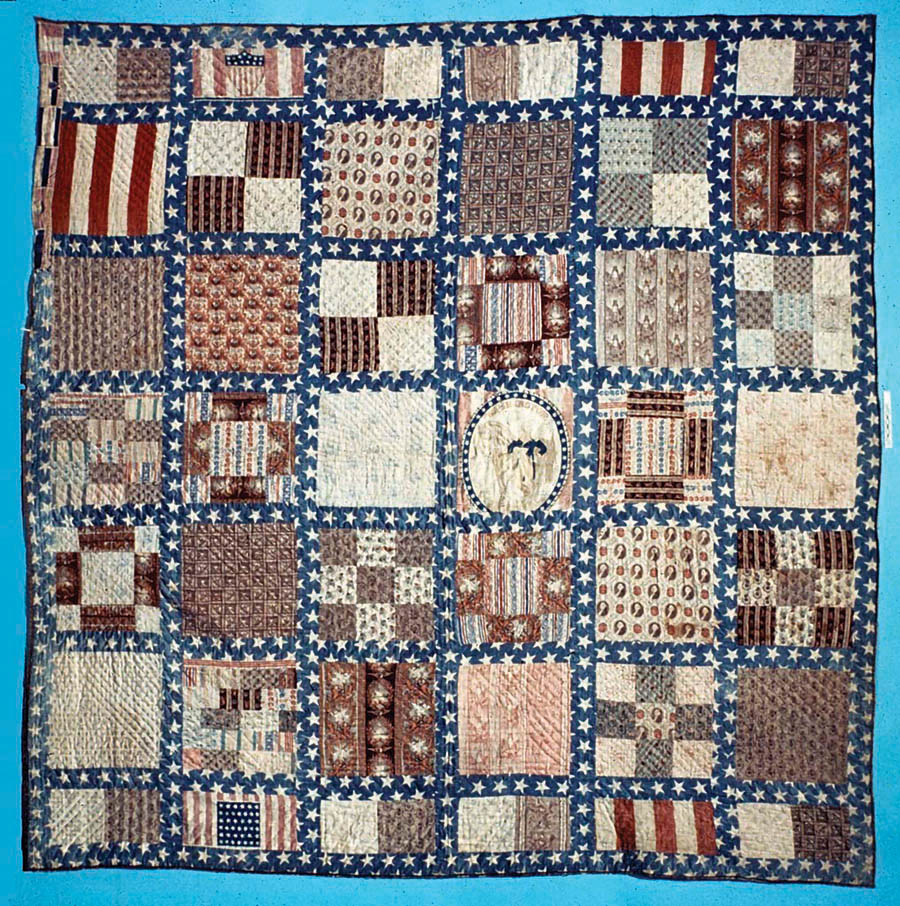
Bradbury quilt-Harriet Bradbury’s father, John Henry Bradbury, had been a merchant in the dry goods wholesale trade in New York and his firm received samples from the manufacturers commemorating the Centennial. At the age of twelve Harriet Bradbury along with her mother, Emily Bradbury, and her grandmother, Maria Silsby, assembled the commemorative fabric samples to make this patriotic quilt. The quilt was made at the Bradbury home in Charleston, New Hampshire.
Printed fabrics with patriotic motifs were popular in America before the 1876 Centennial but the major exposition in Philadelphia provided the textile companies with an incentive to produce many new fabrics. The utilization in this quilt of the small sample pieces that Mr. Bradbury brought back to his family provides an index of fabrics for that period. There are twenty-six roller-printed cottons and five plate or roller-printed bandannas or banners in the quilt. Many of these are printed with the dates 1876 or 1776-1876 or the word centennial. Patriotic motifs of eagles, flags, liberty caps, muskets, stars, cannonballs, liberty bells as well as portraits of George and Martha Washington and Lafayette are found in the various fabric designs.
.
_____________________________________________________________________________
American Folk Art Museum, 2 Lincoln Square, Columbus Avenue at West 66th Street, New York, NY 10023
The Centennial Exposition of 1876: An Evolving Cultural Landscape, John L. Puckett
Historical Society of Pennsylvania